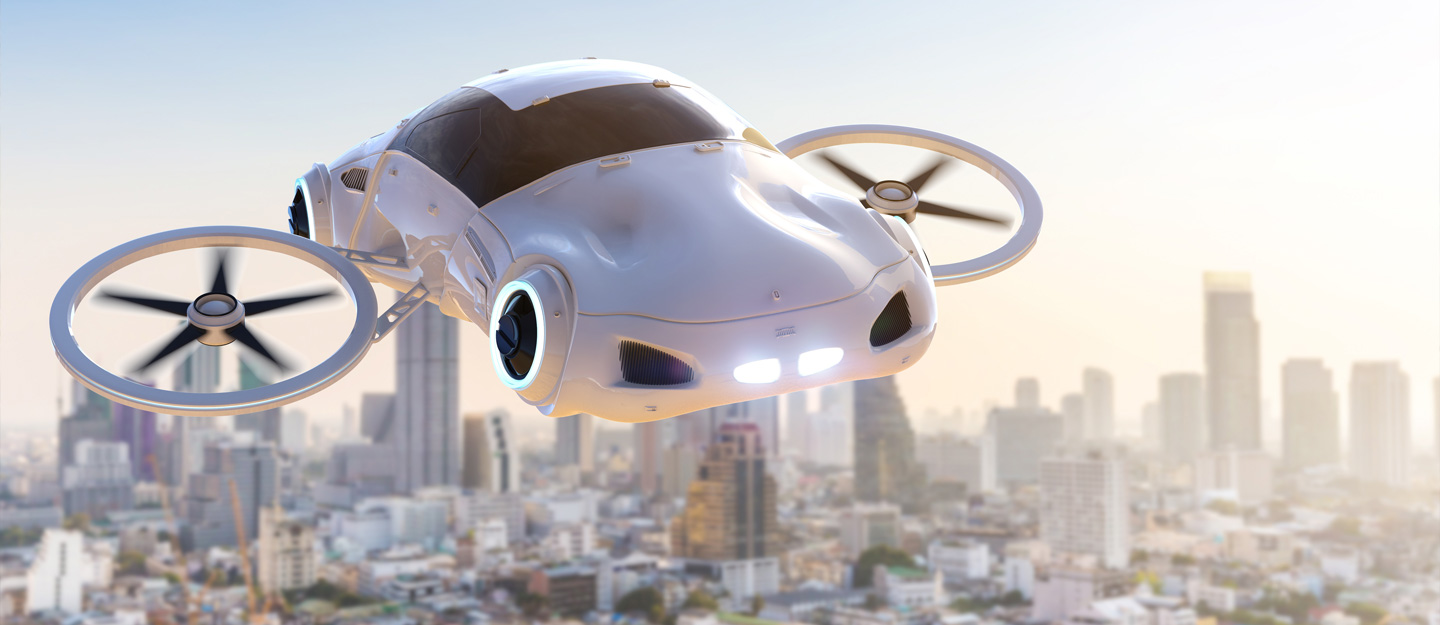
The automobile industry has achieved unexpected feats. From breaking speed barriers to introducing never-before-seen features, the achievements are plenty. One concept that has long captivated the imagination of many is flying cars. Once constrained by technology, the dream has now become a reality. However, the efforts to make cars airborne have been going on for decades. The history of flying cars dates back to the previous century if not more. The evolution of flying cars has witnessed formidable improvements over the years. We will explore the flying cars history and see the journey of these advanced vehicles.
History of Flying Cars Timeline
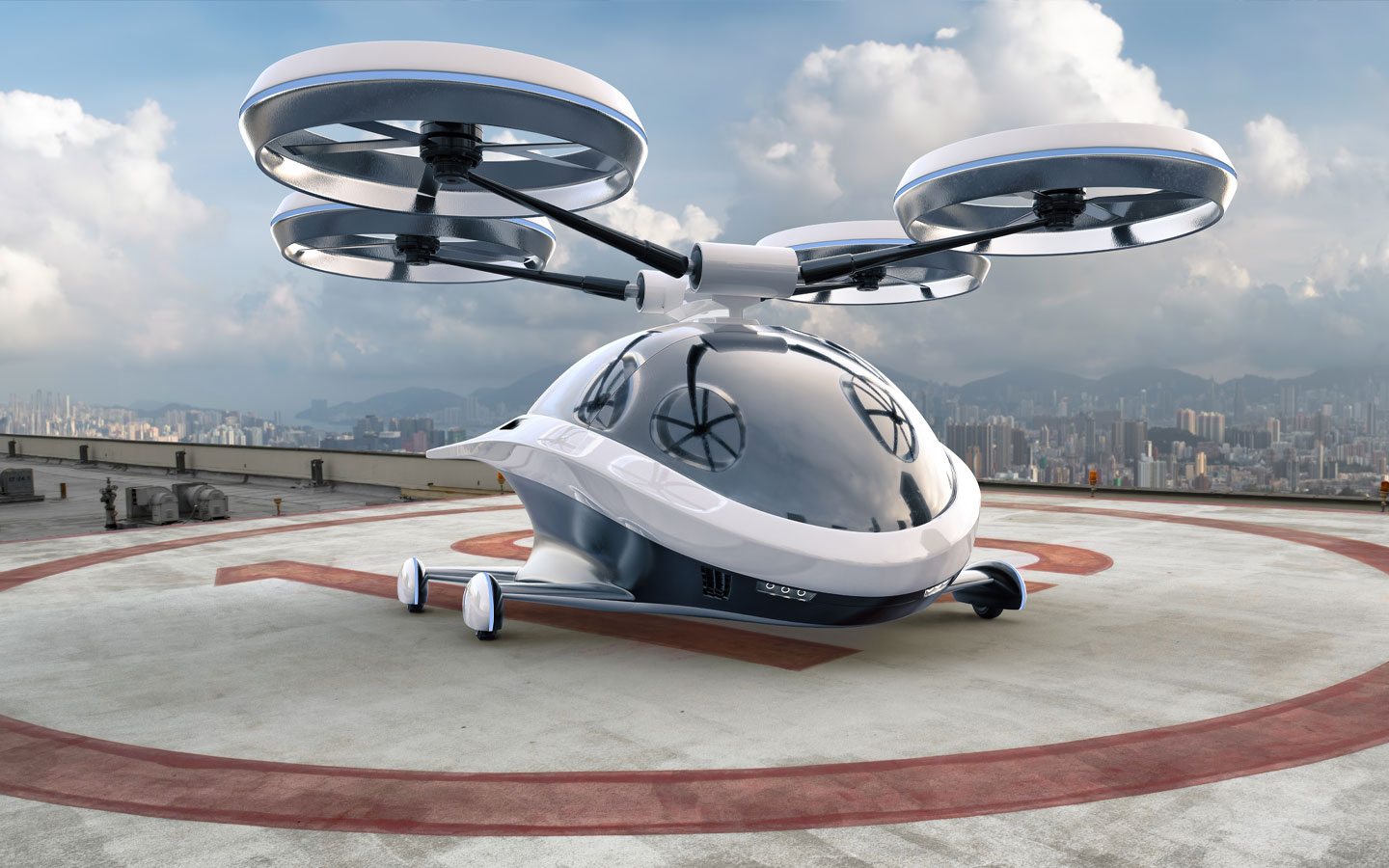
Modern times have seen the introduction of numerous air automobiles. For instance, flying taxis in Dubai among many others. Airborne vehicles are a great way to tackle traffic congestion. Additionally, these provide a distinct travel experience. The numerous benefits have prompted governments to invest in this modern mode of transportation.
Some of the industry’s greatest minds saw potential in flying vehicles. Therefore, they continued the efforts to make vehicles airbourne. Let’s explore the evolution of flying cars throughout the years.
1917 – CURTISS AUTOPLANE
The history of flying cars has witnessed numerous trials over the years. Some of the leading auto manufacturers have tried their luck in this regard. Ford, for instance, gave it a go in 1910. The Ford history shows that the brand started with aircrafts. The Ford Fliverr was a single-seat aircraft by the brand. However, the experimental product’s production was halted after a crash.
A major development came in 1917 when Glen Curtiss, the founder of an aircraft manufacturing company introduced the Curtiss Autoplane. The plane boasted 40-foot wings and 3 wheels. The aircraft managed a few hops during the trial. However, it never really flew as intended.
1937 – ARROWBILE

In 1937, Waldo Waterman, an American inventor, developed the Arrowbile. The hybrid Studebaker boasted a propeller at the rear. A Studebaker engine producing 100 horsepower powered the 3-wheeled vehicle.

The engine components were different from those of today. Whereas, the vehicle had detachable wings for additional storage. The project didn’t see the light of the day because of lack of funding.
1940s – AIRPHIBIAN, CONVAIRCAR
The introduction of the Airphibian was a notable event in the history of flying cars. Developed by Robert Fulton, it was more of a plane for the road. The model came with removable wings and tail. Interestingly, the plane turned into a car in just a few minutes.
The Airphibian flew at a speed of about 193 km/h. Whereas, it had a driving speed of about 80 km/h. The model was a success but lack of financial backing was an obstacle.
The many reasons to buy sedans make these a popular car body type. Interestingly, these popular body types were used in flying cars too. During the 1940s, a company named Consolidated Vultee Aircraft (later named Convair) produced the ConvAirCar. The two-door sedan came with a detachable aeroplane unit. Unfortunately, the plane crashed on the third flight and production plans for the model were cancelled.
1950s – AVROCAR

The Avrocar was the first-ever flying car built for military use. The model was developed by John Frost, a British aircraft designer. Unlike the available car body types, the Avrocar was more like a flying saucer.
Designed to be a supersonic fighter bomber, the vehicle had a vertical take off. Despite government interest, functional limitations halted the model’s run.
THE AEROCAR
Drawing inspiration from the Avrocar, the Aerocar was one of the most successful models of the time. Molt Taylor, an American aeronautical engineer, designed the model. The model can drive, fly and drive again without stopping.
The model was covered with a fibreglass shell. Moreover, the Aerocar housed a 10-foot drive shaft that connected the engine to the pusher propeller. The model cruised at an impressive speed of 193 km/h.
The Aerocar was highly popular. Moreover, known auto brands considered marketing the model. However, the 1970 oil crisis cancelled the plans.
ADVANCEMENTS IN RECENT TIMES

Technology has come a long way. Consequently, it has made unimaginable feats possible. The history of flying cars has also seen major advancements in recent times. From passenger cars to taxis, plans are in motion to make the dream a reality.
The UAE is also on the bandwagon to pace things up for flying cars. For instance, the flying car race in the UAE will be a first-of-its-kind event. Moreover, the Emirates has many projects in line to make flying vehicles available for public use.
FAQs
When Was the Flying Car Invented?
The Curtiss Autoplane by Glen Curtiss is widely regarded as the first flying car. The model was developed in 1917.
How Fast is the Flying Car?
The origin of flying cars dates back to the early 20th century. Ever since, many manufacturers have tried their luck on flying cars. The speed of the flying car varies with models. Some modern models can even breach the 200 km/h mark.
What is Special About Flying Cars?
Electric and hybrid cars became a modern-day phenomenon with their unique functionalities. Similarly, flying cars are distinct vehicles with driving and flying capability. The blend of car and aircraft capabilities allows the vehicle to drive on roads and also fly in the air.

There you have it, the detailed history of flying cars. A dream of the past, flying cars have now become a reality. These vehicles are a great way to tackle traffic congestion and enhance mobility. With the government’s keen interest in these vehicles, the flying car future in the UAE looks promising.
Check out the flying car in Dubai and see the landmark development made by the emirate. While flying cars are yet to be available for public use, conventional vehicles are there to ensure an unmatched driving experience. Browse through these used cars for sale in the UAE and select a vehicle to enjoy a seamless driving experience in the Emirates.
Stay connected with dubizzle’s auto blog to learn about the flying cars’ historical overview and more.
Related Posts